More and more Dutch entrepreneurs are feeling the shift in the business climate. Higher operating costs, stricter regulations, and an unpredictable tax environment are pushing entrepreneurs to think more critically about where they want to build their wealth and long-term future.
We see this every day: around 80 to 90 percent of the people we speak with are entrepreneurs. Many of them are actively looking for ways to spread their risk and protect their returns. And that’s exactly why Dubai and the wider UAE are increasingly emerging as a logical destination.
In this blog, we explain why this shift is happening now, how the new political direction in the Netherlands plays a role, and why international diversification isn’t an “escape” — but simply a smart strategy for today’s entrepreneurs.
The Dutch business climate is shifting toward higher costs
With D66 and GroenLinks–PvdA playing key roles in the new coalition, a future with a stronger focus on regulation, sustainability, and redistribution seems inevitable. Understandable from a societal perspective, but it does come with clear consequences for entrepreneurs.
Think of additional transport costs, CO₂-related taxes, or new levies that directly affect operations. Margins, already tight for many businesses, come under further pressure. Larger companies may manage to absorb or pass on these costs, but SMEs, the backbone of the Dutch economy, feel them most directly.
Entrepreneurship isn’t just about generating revenue; it’s about what ultimately remains at the bottom line. And that part is becoming smaller.
Flexibility in entrepreneurship is decreasing
A second major shift concerns the way self-employed workers and flexible labour arrangements are treated. D66 and GroenLinks-PvdA aim to tackle false self-employment and provide workers with more security. A reasonable objective in itself, no entrepreneur wants labour market abuses, but the implementation limits flexibility for legitimate businesses as well.
Stricter enforcement, potential mandatory insurance requirements for freelancers, and reduced freedom to design labour relationships make it significantly harder for companies to operate flexibly. This doesn’t just affect large corporations misusing freelancers, but also the entrepreneur who simply needs temporary or project-based capacity.
Where flexibility was once a strength of the Dutch business environment, it is now slowly becoming a liability, closely monitored and constrained. The result is straightforward: higher labour costs and less room to adjust when your business needs it.
Sustainability becomes an obligation rather than a strategic choice
In both political programmes, sustainability plays a central role. For years, entrepreneurs could choose to invest in sustainability when it strategically made sense. In the coming years, sustainability requirements will increasingly become mandatory, accompanied by new standards, reporting duties, and audits.
This means companies will be required to invest, even when the timing is not ideal. For some businesses, these investments may add long-term value or reduce operational costs. But for many, it simply means being forced to spend money without immediate returns.
Entrepreneurs must also demonstrate compliance with environmental standards, energy targets, and CO₂ reduction goals. And with every new requirement comes an increase in administrative workload. As a result, doing business in the Netherlands becomes not only more expensive but also more bureaucratic.
The tax burden on private wealth is increasing
Beyond operational costs, the private wealth of entrepreneurs is also increasingly under pressure. D66 and GroenLinks-PvdA want to raise taxes on wealth, believing the current distribution is unfair and that wealthier households should contribute more.
For entrepreneurs, this primarily means lower returns on private investment.
While companies themselves are not subject to Box 3, much of an entrepreneur’s personal wealth is, including savings, investments, and often privately held real estate. With higher levies, fewer deductions, and the upcoming new Box 3 system, entrepreneurs find that building and preserving wealth yields less and less.
The outcome is predictable: entrepreneurs who take risks, invest in staff, and grow their companies are privately faced with a rising tax burden. This leads to a growing sentiment that they are increasingly footing the bill for policy goals they have little influence over.
Growing uncertainty leads to more cautious investments
While the Dutch economy remains stable, the predictability of returns for entrepreneurs is declining. Rising costs, stricter regulations, and ongoing uncertainty surrounding Box 3 make entrepreneurs more cautious with private investments, and that caution ultimately trickles down into their companies.
And that may be the biggest risk of all: an economy in which entrepreneurs hesitate to grow is an economy that slows down. The business climate feels less inviting and more restrictive. Not because entrepreneurship becomes impossible, but because it’s simply becoming less attractive.
Why more entrepreneurs are turning to Dubai and the UAE
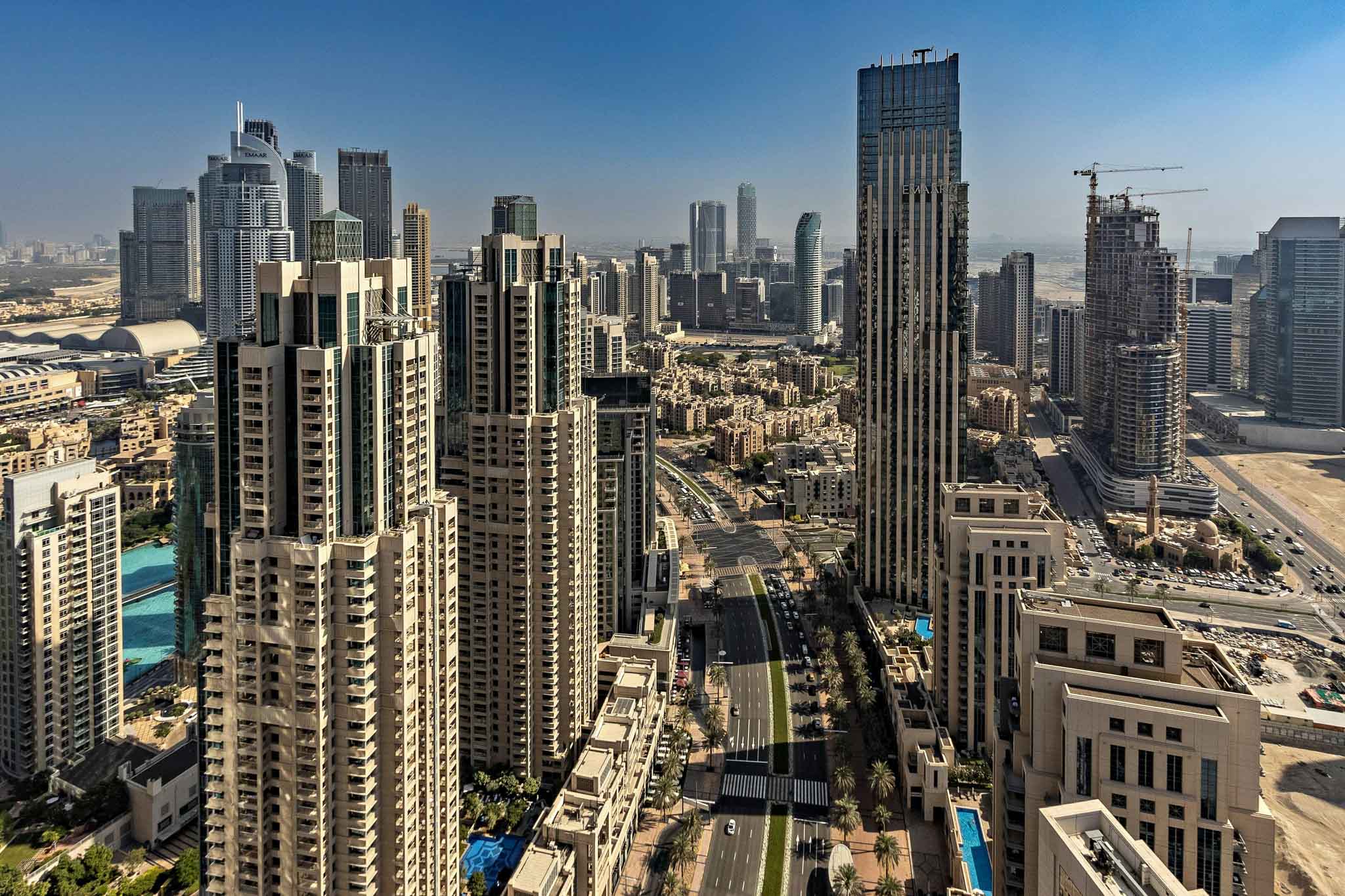
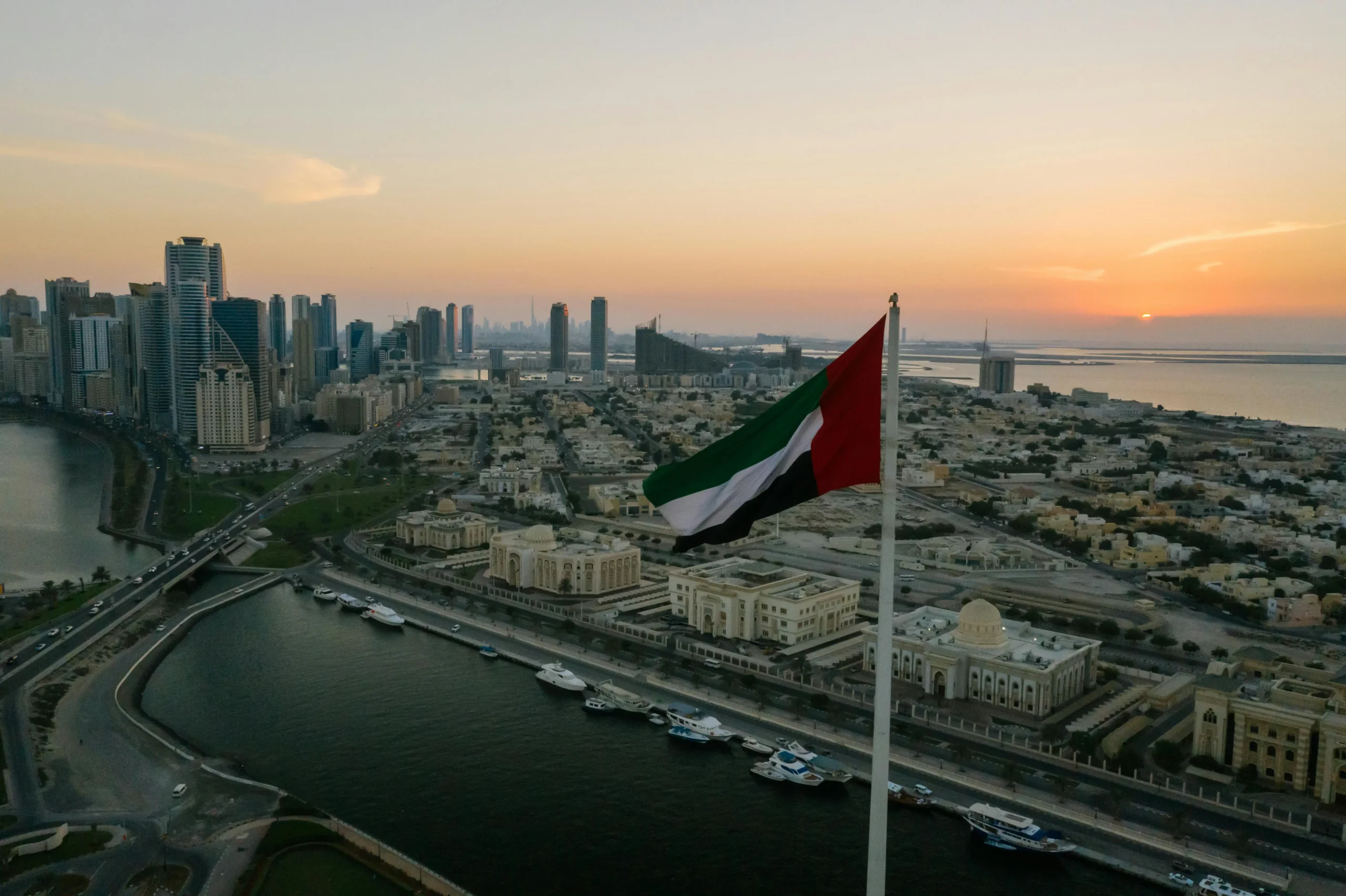
These developments are precisely why more entrepreneurs are widening their perspective and exploring international options. We see this every day: around 80–90% of the people we speak with are Dutch entrepreneurs actively looking for ways to spread risk and protect their capital. Dubai and the UAE increasingly emerge as logical next steps, and that is far from a coincidence.
The UAE offers a political climate focused entirely on stability, growth, and attracting entrepreneurs and investors. While the Netherlands continues to introduce more rules, Dubai provides clear, predictable, business-friendly legislation. No unexpected tax changes, no shifting annual frameworks, just a stable environment where you know exactly what to expect.
The real estate market in Dubai also offers something that has virtually disappeared in the Netherlands: strong net returns without tax pressure. Rental income is not taxed, personal wealth is not taxed annually, and demand for housing keeps rising due to rapid population growth and international inflow.
Many entrepreneurs realise that investing in Dubai has nothing to do with escaping, but everything to do with responsible diversification. When structured properly, Dubai real estate can significantly reduce, or even eliminate, exposure to Box 3, as property in the UAE is generally taxed locally and therefore exempt from Dutch taxation.
It is an effective way to become less dependent on a political environment that is becoming increasingly difficult for entrepreneurs, while simultaneously building wealth in a market that is strong, growing, and full of momentum.
discover dubai
- Why investors choose Dubai
- The future vision explained
- Key numbers about Dubai
"*" indicates required fields
Conclusion
The plans proposed by D66 and GroenLinks-PvdA are understandable in light of their ideals, but they will have a significant impact on entrepreneurs. Doing business in the Netherlands is becoming more expensive, less flexible, and more administratively burdensome. As a result, entrepreneurs increasingly realise that a strong strategy is no longer just about running a business well, but also about spreading risk intelligently.
That is why real estate in Dubai and the surrounding emirates is becoming increasingly relevant not only because of tax advantages, but because the market itself continues to grow. Demand for housing continues to rise due to population growth, international migration, and economic expansion. Many projects gain value during construction, and the rental market remains strong due to structural shortages in specific segments.
On top of that, the rules are clear, the government is predictable, and returns are genuine returns, without annual Box 3 pressure or the ever-tightening property regulations seen in the Netherlands. For many entrepreneurs, Dubai real estate is not just interesting; it is strategically logical: a way to protect capital and grow it in a stable, international market.
For a growing number of entrepreneurs, the question is no longer whether they should think internationally, but when, and how large their allocation in Dubai or the surrounding emirates should be.
Curious what this could mean for your situation? Feel free to reach out. We are happy to think along and explore the best strategies with you.