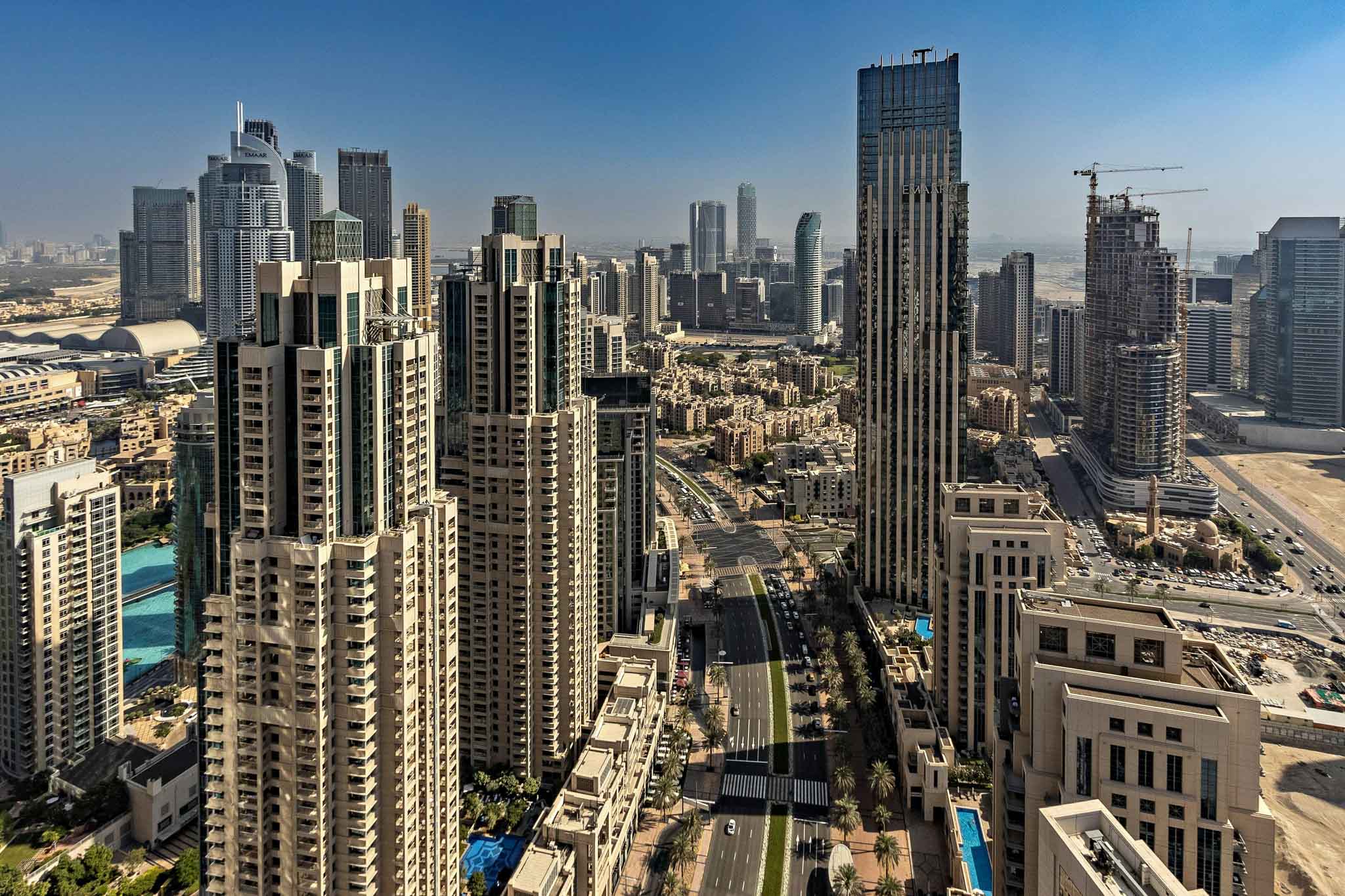
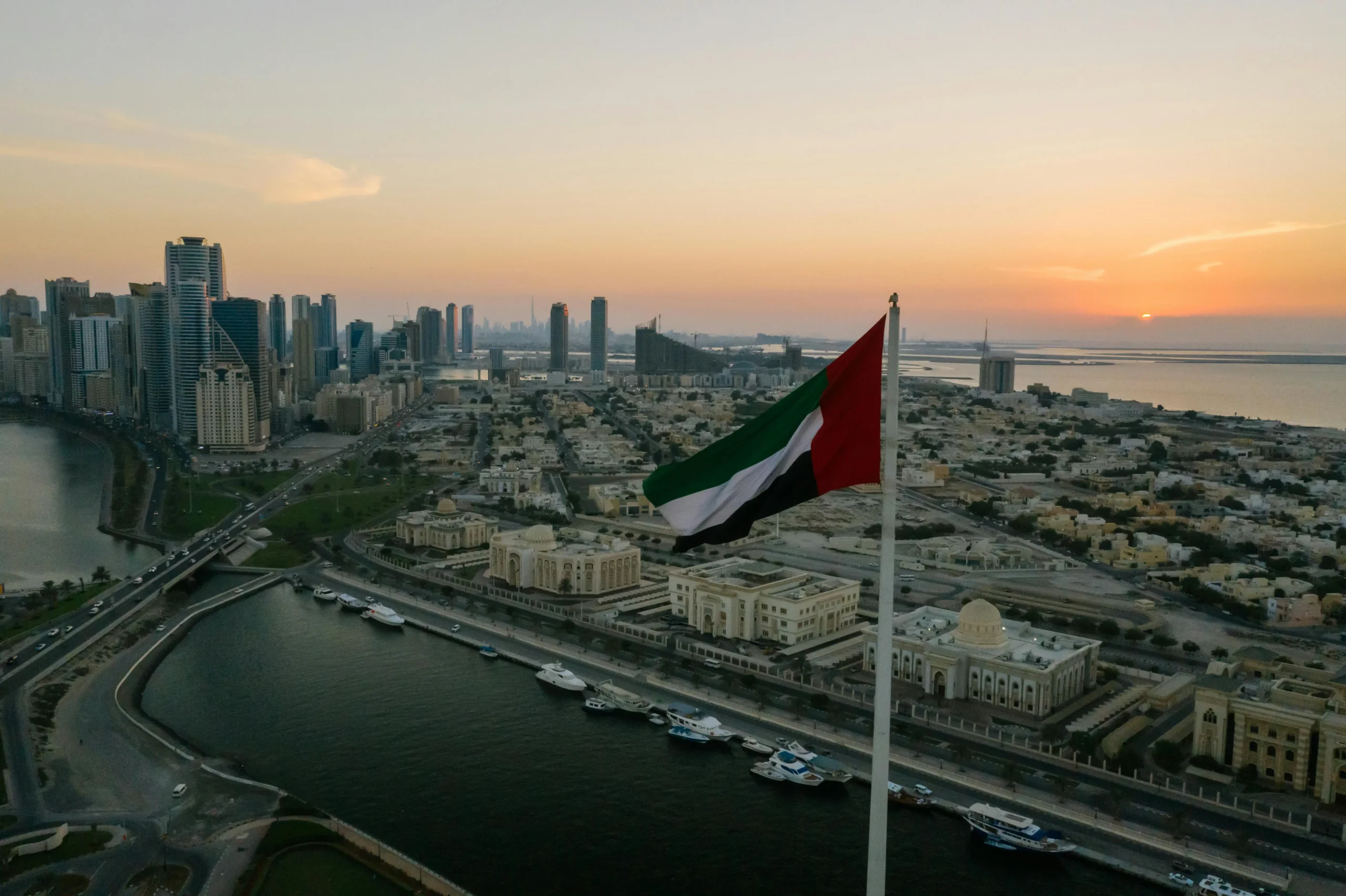
Anyone seriously exploring real estate in Dubai will quickly come across return figures. Net rental yields, capital appreciation, and total returns are often mentioned as if they are fixed outcomes. In reality, these figures are rarely placed in the right context. This leads to expectations that do not always align with how real estate in Dubai operates.
Returns in Dubai are not a fixed percentage and certainly not a promise. They are the result of multiple choices that together determine how an investment performs. Think of location, property type, target tenant, cost structure and how the property is used. For investors who view Dubai as a mature real estate market rather than a short-term speculative bubble, returns can be attractive, but only when viewed realistically.
In this article, we explain how returns on property in Dubai are generated, what you can and cannot expect, and which factors ultimately make the difference between a stable investment and disappointment later on.
What do we actually mean by returns?
When people talk about returns, they often mean different things. For some, it is about monthly rental income. For others, it is about long-term capital appreciation. In practice, returns almost always consist of both.
Rental income provides direct cash flow and is particularly relevant for investors looking for predictability. Capital appreciation occurs over a more extended period and is only realised upon sale. Total return is the interaction between these two components, with costs ultimately determining what remains on a net basis.
This distinction between gross and net returns is often underestimated. An attractive gross percentage says little if costs such as service charges, maintenance, management, and potential vacancy are not accounted for. Anyone who wants to understand how this cost structure works in practice should first look at how buying property in Dubai actually works, including all associated expenses that affect the final result.
Rental income in Dubai
Dubai’s rental market is broad and diverse. Studios and one-bedroom apartments are popular with expats and young professionals and therefore tend to have steady demand. Larger apartments, townhouses, and villas are more often aimed at families and long-term tenants, which creates a different rental dynamic.
Rather than focusing on fixed percentages, it is more realistic to work with ranges. Net rental returns in Dubai can be higher than in many Western European cities, primarily due to the absence of a tax on rental income and a transparent cost structure. That does not mean every project performs well by default. Location and target tenant remain decisive.
Properties in areas popular for long-term rentals generally offer greater stability, whereas short-term rentals in specific locations can generate higher income but also involve greater fluctuations and additional costs. Which strategy is appropriate depends on the investor’s risk profile and objectives.
Costs determine what remains at the bottom line
Returns cannot be viewed separately from costs. Especially in Dubai, where purchase costs and annual expenses are relatively transparent, it quickly becomes clear what an investment actually delivers. This is also where many misunderstandings arise. Returns are often assessed based on expected income, while costs are at least as important for the final outcome.
When purchasing property in Dubai, investors face a clearly defined cost structure. This includes one-off purchase costs, annual service charges, maintenance, management, and, in some cases, rental permits. Anyone who wants a complete picture should first understand what buying a property in Dubai actually costs, as this cost structure makes the difference between appealing gross figures and realistic net returns.
Service charges are one of the most important variables. They differ significantly per building and location and depend on facilities, maintenance standards and shared amenities. A property with a lower purchase price may seem attractive on paper, but if service charges are high or rental demand is limited, net returns can disappoint. Especially for smaller units, fixed costs can absorb a substantial part of the rental income.
Conversely, a higher purchase price does not automatically result in lower returns. Properties in strong locations with proven rental demand often experience less vacancy, more stable rental prices, and more predictable costs. This makes returns more straightforward to plan over multiple years, even if the initial investment is higher.
In addition to operational costs, the legal structure also plays a role in return predictability. In Dubai, off-plan purchases are protected through escrow accounts, where buyer funds are held securely during construction. This reduces financial risk and contributes indirectly to more stable returns, as the investment process itself becomes more manageable.
Anyone assessing returns realistically should therefore not only look at potential income, but primarily at the costs that structurally reduce it. In practice, the difference between an attractive return on paper and a solid investment is often found in these details.
Returns: off-plan versus completed properties
The type of purchase directly affects when returns are realised. With completed properties, rental income is often possible immediately, which appeals to investors seeking short-term cash flow.
Off-plan purchases require more patience. During construction, there is no rental income, but payment plans are often structured to be paid over time and are interest-free. Returns here are mainly driven by capital appreciation towards completion and market conditions at handover. Investors who want to understand how cash flow develops in practice should look at how payment plans in Dubai work and what this means for the overall investment.
Both strategies can be effective in Dubai, provided they align with the investor’s objectives and financial plan.
discover dubai
- Why investors choose Dubai
- The future vision explained
- Key numbers about Dubai
"*" indicates required fields
Market context towards 2026
Returns are never independent of the broader market. Dubai differs from many other real estate markets due to its combination of structural population growth, economic diversification and international appeal. This growth is not temporary but the result of long-term policy, infrastructure development, and a continuous inflow of expats, entrepreneurs, and global businesses.
Population growth translates directly into sustained demand for housing. Well-located apartments in Dubai, close to business hubs, schools, and amenities, remain structurally in demand, not because they are fashionable, but because they fit how people live and work in Dubai. This makes these locations less sensitive to market fluctuations and supports more stable rental income over time.
At the same time, supply in Dubai is far from evenly distributed. Although a large number of units are built in absolute terms, property types differ significantly across areas and price segments. In some segments, such as smaller apartments in certain districts, competition increases quickly. In others, such as well-positioned villas in Dubai or high-quality apartments in established locations, supply remains limited. This scarcity plays an important role in both rental pricing and value retention.
Towards 2026, returns will therefore be driven less by general market growth and more by how well a property matches sustained demand. Real estate that aligns with the needs of its core target group, expats, families, or professionals, remains attractive even when the market slows. Properties developed primarily around short-term trends are more vulnerable to corrections.
Assessing returns realistically, therefore, requires more than looking at figures alone: strategy and positioning matter. The key question is not whether Dubai grows, but where and how that growth translates into demand. This requires a different approach than simply comparing return percentages across projects.
In that context, it is logical that many investors compare Dubai with other international real estate markets, such as Spain. Not to identify where the highest percentage can be achieved, but to understand differences in market dynamics, regulation, and demand structures. That context helps place returns in Dubai into perspective and form realistic expectations for the years ahead.
Common misconceptions about returns in Dubai
One common misconception is the comparison of returns without context. Dubai is often placed next to the Netherlands or other European markets without accounting for differences in taxation, regulation, and cost structures, leading to distorted conclusions.
Another misunderstanding is confusing gross returns with actual cash flow. High percentages may sound attractive, but they mean little if costs and vacancy are ignored. Short-term rentals are also sometimes seen as a default way to increase returns, while in practice they are only suitable for specific locations and for investors willing to manage actively.
Finally, returns are often assessed too short-term. Real estate is inherently a long-term investment. Focusing solely on the first year overlooks the broader picture that ultimately determines performance.
What makes a strong property investment in Dubai?
Successful investments rarely depend on a single factor. It is the combination of choices that determines the stability and predictability of returns. Location within a district, accessibility, building quality, and suitability for the target tenant often matter more than the exact purchase price.
Flexibility is also important. A property suitable for both long-term and short-term rentals, or one that remains attractive as market conditions change, offers greater long-term security. This aligns with broader investment strategies in Dubai, where returns are the result of deliberate decisions rather than chasing trends.
It starts with realistic expectations
Property in Dubai can deliver attractive returns, but only when those returns are approached realistically. No fixed percentages, no guarantees, just insight into how income, costs, and market dynamics come together.
Investors who first understand the bigger picture and only then start calculating improve their chances of building a stable and sustainable investment. In practice, that is often the difference between confidence at the start and a solid result over the long term.
Anyone considering investing in property in Dubai would benefit from first clarifying which strategy and cost structure fit their situation. A personal conversation can bring that overview into focus clearly and realistically.