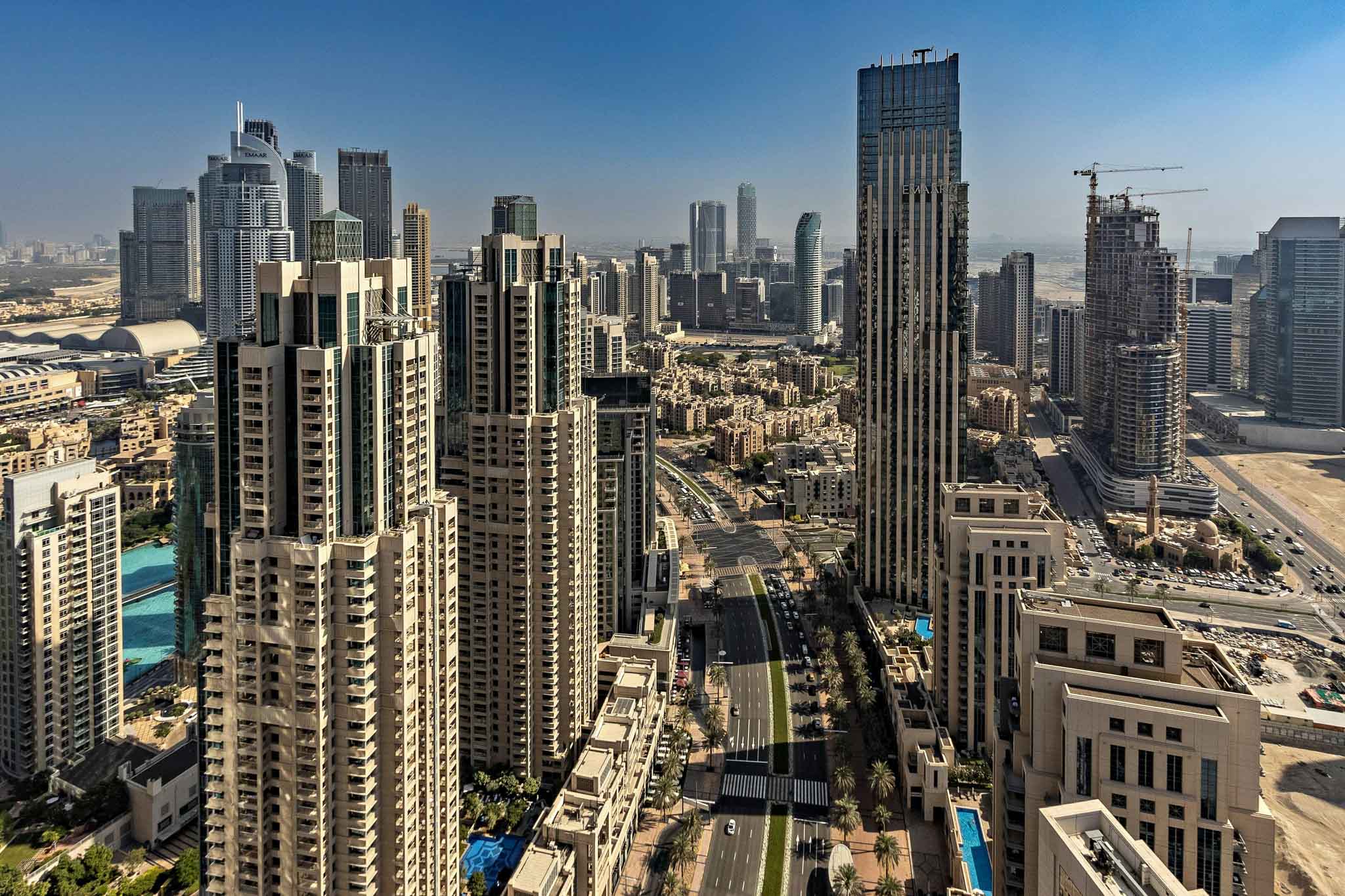
The real estate market in Dubai is globally recognized for its continuous growth, unique opportunities, and solid legal framework. Over the years, Dubai has established itself as a top destination for real estate investments, supported by well-structured laws and regulations that ensure transparency, safety, and trust among all parties involved. The Dubai Land Department (DLD) and its regulatory arm, the Real Estate Regulatory Authority (RERA) are central to this regulatory landscape. These regulations are crucial in maintaining the order and integrity of Dubai’s real estate sector, which significantly contributes to the economy.
In recent years, Dubai’s government has introduced comprehensive legislative measures to regulate the real estate market and sustain the city’s real estate boom. These laws have stabilized the market and attracted a significant amount of foreign investment, which makes Dubai a preferred choice for property investors worldwide. In this blog, we will delve into the essential laws and regulations that govern Dubai’s real estate market, making sure to have a clear understanding of the legal landscape in 2024.
The role of the Dubai Land Department (DLD)
The Dubai Land Department (DLD) is the cornerstone of the city’s real estate market, responsible for regulating, registering, and recording all real estate transactions within Dubai. The DLD plays a crucial role in ensuring that every property transaction is carried out legally and transparently. Working under the DLD is the Real Estate Regulatory Authority (RERA), which is tasked with setting the laws and guidelines that govern the real estate sector.
RERA’s responsibilities include:
– Tenant and Landlord Regulation: RERA collects detailed information about tenants and landlords and is the primary body for resolving tenancy disputes.
– Foreign Investment Regulation: The authority regulates foreign investment in Dubai’s real estate market, ensuring that all transactions comply with local laws.
– Advertising and Marketing Oversight: RERA monitors the trustworthiness of real estate advertisements, ensuring that all marketing materials meet set standards.
– Licensing: The authority is responsible for licensing real estate brokers, developers, and other professionals involved in the sector.
– Market Monitoring: RERA keeps a close watch on market developments, ensuring that growth is sustainable and beneficial for all stakeholders.
RERA license for developers
According to the guidelines established by RERA, real estate developers are required to secure a license from the authority before initiating any development projects. The regulations also mandate that developers submit comprehensive details about their projects, such as the location, size, and types of units being constructed. Additionally, RERA requires developers to set up an escrow account for each project. All payments made by buyers must be deposited into this escrow account to ensure that the funds are exclusively used for the project’s completion. Read more about escrow accounts here.
Key laws in Dubai real estate
Dubai’s real estate market is one of the fastest-growing in the world, driven by economic diversification, strategic location, and a regulatory environment that promotes transparency and investor protection. To succeed in this market, it is essential to understand the key real estate laws that govern property transactions.
Dubai Strata Law
The Strata Law is important for multi-unit developments, such as apartment complexes and townhouses. This law divides properties into privately owned units and jointly owned common areas, which are managed by an owners’ association. The Strata Law outlines the responsibilities of the owners’ association, including the management and maintenance of common areas and facilities, ensuring that all residents benefit from well-maintained shared spaces.
Property Ownership Law
Law No. 7 of 2006 is a fundamental piece of legislation that outlines property ownership rights in Dubai. According to this law, property ownership in Dubai is primarily reserved for GCC and UAE citizens. However, Regulation No. 3 of 2006 allows foreign nationals and non-residents to purchase property in designated areas of the city, known as freehold zones. These zones have been strategically chosen to encourage foreign investment, and they offer a wide range of property types, from luxury villas to high-rise apartments.
Rental Property Laws
Dubai’s rental market is attractive due to its high rental yields, making it a popular choice for property investors. To protect the rights of both tenants and landlords, Dubai has established a set of rental property laws:
– Tenancy contracts: Long-term rental contracts in Dubai are typically for a minimum of one year. During the contract period, landlords are not allowed to increase the rent.
– Rent increase regulations: Rent increases are only permissible at the time of contract renewal and are capped at a maximum of 15% of the current rent.
– Dispute resolution: In case of disputes, both landlords and tenants can approach RERA for resolution. The authority’s decisions are binding, ensuring that disputes are handled fairly and efficiently.
Inheritance Property Laws
Inheritance laws in Dubai can be complex, particularly for foreign nationals with dual citizenship. If a property owner passes away without a legal will, the distribution of their property may be determined by a court, which could involve multiple jurisdictions depending on the owner’s nationality. To avoid complications, it is highly recommended that property owners draft a legal will that clearly outlines their wishes regarding the inheritance of their assets.
The Three Broker Rule
In a move aimed at reducing the number of duplicate property listings, the DLD introduced the Three Broker Rule in October 2022. This regulation limits sellers to listing their property with a maximum of three brokers. The goal is to enhance the professionalism of real estate agencies and improve the overall customer experience for buyers and sellers alike. By reducing the clutter of multiple listings, the market becomes more efficient and transparent.
Recent changes in laws
Dubai’s real estate laws are continually evolving to keep pace with the rapid growth and the changing needs of the market. In recent years, several new laws have been introduced to address specific issues within the real estate sector.
Law Number 19 of 2020 – Dubai Interim Registration Law
This law amends Article 11 of Law No. 13 of 2008, which governs interim registration in Dubai. Under the new law, the DLD has the authority to challenge previous decisions and cancel sale and purchase agreements registered in the interim register under specific circumstances. This amendment aims to enhance the transparency and reliability of property transactions.
Law Number 20 of 2020 – Dubai Real Estate Institution
Law No. 20 of 2020 led to the dissolution of the Dubai Real Estate Institution (DREI), with all its responsibilities transferred to the DLD. This consolidation is part of an effort to streamline the regulatory framework, making it easier for stakeholders to navigate the real estate market.
Law Number 32 of 2020 – Land Designated for Educational Use
This law pertains to plots of land designated for educational purposes. Under Law No. 32 of 2020, ownership of these lands is transferred to the Knowledge Fund, although developers can retain ownership by paying 75% of the land’s market value over a maximum period of 35 years. This law ensures that educational facilities are funded and maintained, supporting Dubai’s broader educational goals.
Law Number 33 of 2020 – Liquidation of Cancelled Real Estate Projects
This law extends the jurisdiction of the Judicial Committee to include incomplete and cancelled real estate projects. The committee now has the authority to resolve disputes related to these projects, providing a clear legal pathway for investors affected by such situations.
The critical role of a conveyancer
Despite the comprehensive legal framework in place, navigating the Dubai real estate market can be complex. For this reason, it is highly recommended to work with a conveyancer when buying or selling property. A conveyancer is a legal professional who oversees the transfer of property ownership from the seller to the buyer, ensuring that all legal, financial, and administrative aspects of the transaction are handled correctly. This includes drafting and reviewing contracts, conducting due diligence, and managing the funds transfer.
Conclusion
The Dubai real estate market continues to be one of the most dynamic and attractive in the world. Whether you are an investor, a homeowner, or simply interested in real estate, knowledge about the legal landscape is essential. The regulations in place by the DLD and RERA are designed to protect the interests of all parties involved, ensuring that Dubai remains a secure and profitable destination for real estate investment.
For those looking to invest or navigate the complexities of Dubai real estate, a trusted partner is crucial. Contact Nimani today to learn more about how we can help you make the most of your real estate investment in Dubai. We look forward to guide you!